Pay in installments of $6.29 with
 ,
,
 and
and

Shipping Estimate
USA
- USA
- CAN
- USA
- CAN
Ships within 48 hours · Estimated delivery Jul 2 - Jul 7
 Promo Codes Available:
For Your Every Summer RSVP, with Code: SUMMER15
Description
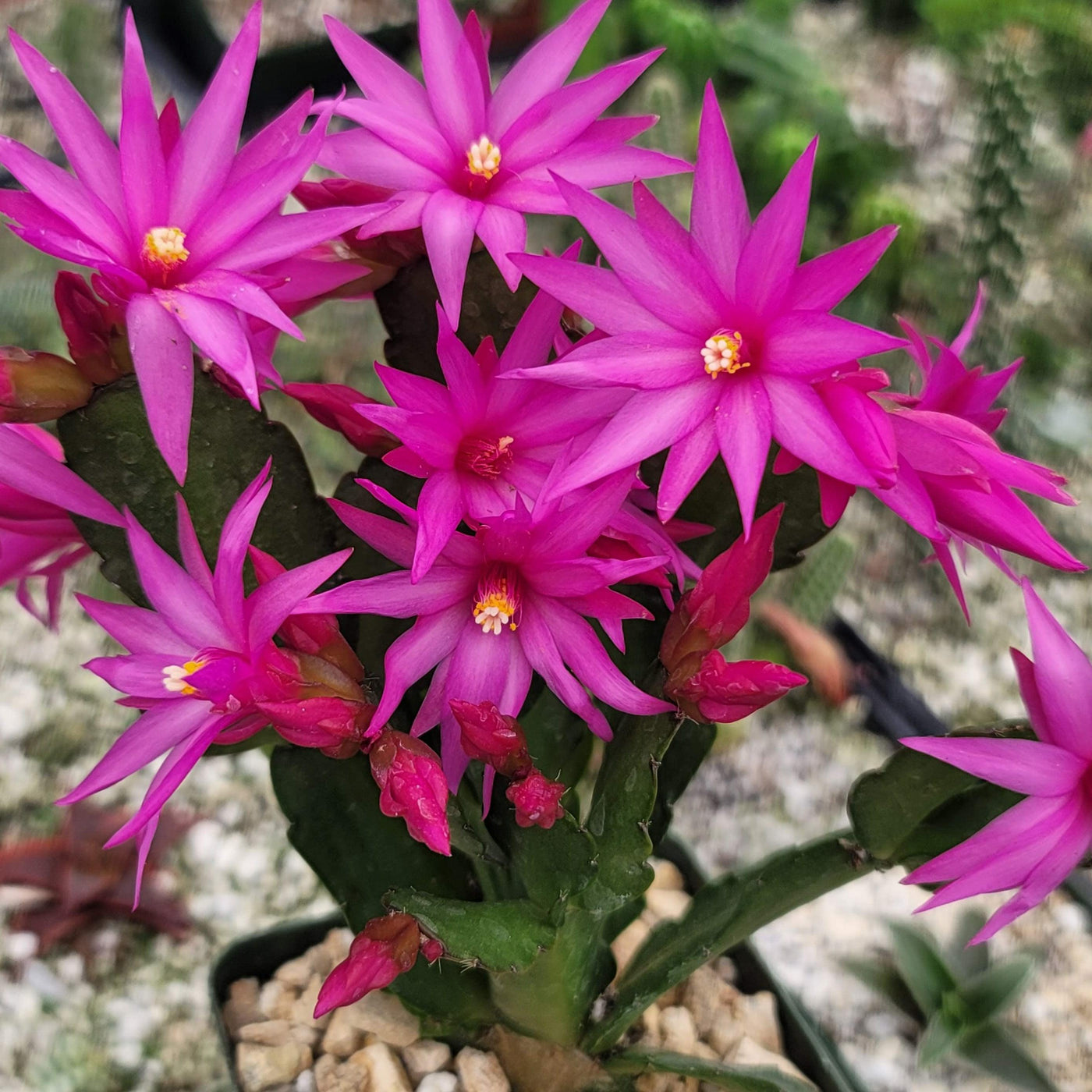
is easter cactus a succulent Buy 'Easter Cactus - Rhipsalidopsis gaertneri' Care and Growing GuideIf you want to add some color to your home or garden in the spring, the Easter cactus, also known as Rhipsalidopsis gaertneri, is a great choice, especially around the Easter holiday, when this tropical cactus is noted for its magnificent and prolific star shaped blooms. Why Real Easter Cactus are Rare and Hard to Find? The Real Easter Cacti are rare because growers typically sell Thanksgiving Cactus, which are easier to manipulate to bloom during
If you want to add some color to your home or garden in the spring, the Easter cactus, also known as Rhipsalidopsis gaertneri, is a great choice, especially around the Easter holiday, when this tropical cactus is noted for its magnificent and prolific star-shaped blooms.
Why Real Easter Cactus are Rare and Hard to Find?
The Real Easter Cacti are rare because growers typically sell Thanksgiving Cactus, which are easier to manipulate to bloom during popular holidays like Christmas and Easter. By adjusting light exposure, growers can make the Thanksgiving Cactus bloom for these key holiday seasons, making them more marketable. In contrast, the true Easter Cactus naturally blooms in spring, has distinctive star-shaped flowers, and requires more specialized care, making it less common and harder to find in stores.
Native to Brazil, it is also known as the spring cactus, holiday cactus, Epiphyllopsis gaertneri, Hatiora gaertneri, Rhipsalis gaertneri, or Schlumbergera gaertneri.
One of the distinguishing features of the Easter cactus is its flattened stem segments, which are often referred to as fleshy leaves.
These segments are typically smooth and have serrated edges, giving the cactus a more delicate appearance compared to other holiday cacti like Thanksgiving cactus or Christmas cactus.
The stem segments are also arranged in a cascading manner, creating an attractive hanging or trailing effect.
Furthermore, the Easter cactus is frequently confused with the Easter lily cacti (Echinopsis oxygona). While they both have the word "Easter" in their names, they are not related.
The Easter Cactus blooms in response to changes in light and temperature. As days shorten and temperatures cool, the plant is signaled to produce flower buds. For optimal blooming, it's essential to stop fertilizing two months before spring and maintain a cool environment, avoiding direct sunlight and heater placement. To prepare for the next year's flowering, reduce watering until mid-winter and promote a cycle of darkness and light, which encourages prolific blooming in early spring.
Easter cactus propagation can be done through stem cuttings. To propagate an Easter cactus, take a cutting of about 4-6 inches long and remove the lower leaves before planting it in well-draining soil. Keep the soil moist but not waterlogged, and place the cutting in a warm, bright location to encourage root growth.
When and How to Water Your Easter Cactus
When it comes to watering the Easter cactus, it's important to find the right balance. It needs a bit more watering as compared to other regular cacti and prefers to be kept in slightly moist soil, during its active growing season, which is usually in the spring and summer. So, you'll want to make sure the soil is moist but not soaking wet. Give it a good watering, allowing the water to drain out completely, and then let the top 2 inches or so of the soil dry out before watering again.
Pro Tip
Remember, overwatering can be a big no-no for the Rhipsalidopsis gaertneri Easter cactus, as it can lead to root rot.
During its dormant period in the late fall and early winter, the Easter cactus doesn't need as much water. It's best to let the potting soil dry out slightly between waterings. You can reduce the frequency of watering during this time, but still keep an eye on the moisture level. It's always a good idea to check the soil with your finger to see if it's dry before giving it a drink.
Don't forget that proper drainage is important, so make sure your clay pots have drainage holes to prevent water from sitting in the bottom.
Light Requirement - Where to Place Your Easter Cactus
When growing indoors, the Easter cacti are great houseplants, as they can handle a wide variety of bright, indirect sunlight. Avoid placing it in direct sunlight, as this can scorch the leaves. A great spot for your Easter cactus could be near a window with a sheer curtain or in a well-lit room with plenty of natural, bright light.
For outdoor cultivation, the Easter cactus grows naturally in areas that are partially shaded from the sun because it is an understory holiday plant in its native forests. Rhipsalidopsis gaertneri thrives in a spot where it receives bright, filtered sunlight for a few hours a day.
If you notice that your Brazilian forest cactus—Easter cactus—isn't blooming as much or that its growth seems stunted, it might be an indication that it needs more light. On the other hand, if the leaves start to turn yellow or pale, it could be a sign that it's getting too much light. Remember, finding the right balance of light is key to keeping your Easter cactus happy and healthy!
General Tips for Growing an Easter Cactus
- Find a bright spot but avoid direct sunlight.
- Water it when the top 2 inches of soil feels dry.
- Keep the temperature between 60 to 70 degrees Fahrenheit.
- The Easter cactus blooms because of changes in light and temperature, signaling the plant to produce buds and flowers.
- To ensure optimal blooming, stop fertilizing two months before spring and keep the cactus cool and warm.
- Fertilize once a year during the growing season.
- Prune after blooming to encourage bushier growth.
Optimal Soil & Fertilizer Needs
Native to Brazil's rainforests, Rhipsalidopsis gaertneri Easter cacti are epiphytic cacti. In its natural environment, an Easter cactus is an epiphyte, meaning that it grows on rocks, trees, and other plants rather than in soil.
Although Easter cacti are usually planted in soil as houseplants, they need loose potting mixes that give their roots enough air to breathe. They cannot thrive in dense, compacted soil. Instead, make or buy a soil-nutrient-rich, well-draining potting mix, or ideally, use our specialized cactus potting mix that contains 5 natural substrates and mycorrhizae to promote the development of a strong root system that helps your Rhipsalidopsis cactus thrive.
As for fertilizer, the Easter cactus benefits from a balanced (5-10-5) NPK, water-soluble fertilizer formulated for cacti. During the active growing season in spring, you can fertilize your Easter cactus about once a year. However, during its dormant period in late fall and winter, it's best to hold off on fertilizing as Rhipsalidopsis gaertneri is not actively growing.
Remember, it's important not to over-fertilize your Easter cactus, as this can cause fertilizer to burn and damage the roots. Always err on the side of caution and follow the recommended dosage. With the right soil and proper fertilization, your holiday plants will thrive and reward you with beautiful blooms!
Hardiness Zone & More
The Easter cactus is a versatile plant that can thrive both indoors and outdoors. When grown indoors, it prefers a moderate temperature range of 60 to 70 degrees Fahrenheit.
If you decide to grow it outdoors, it is important to consider the USDA hardiness zone. The Easter cactus is typically suitable for USDA zones 10 to 11, which include regions with mild winters and warm climates. It's important to avoid exposing the Easter cactus to temperatures below 50°F, as this can cause damage to the Easter plant Rhipsalidopsis gaertneri.
When it comes to humidity, the Easter cactus enjoys moderate humidity levels. It can tolerate average indoor humidity, but it's best to avoid placing it in areas with extra humidity, such as near a bathroom or kitchen. If you live in a particularly dry climate, you can increase the humidity around your Easter cactus by placing a tray filled with water and pebbles near the plant or using a humidifier.
Pruning Easter Cactus
To encourage busier growth, pruning is an important step in caring for Easter cacti. By trimming back the stems, you can help the plant develop a fuller and more compact shape. Start by identifying any long, leggy stems or branches that are growing outward. Using clean and sharp pruning shears, make clean cuts just above a segment joint or node. This will promote new growth from that point and encourage a bushier appearance. It's best to prune Easter cacti after they finish blooming, typically in spring or early summer. Remember to remove any dead or damaged stems as well to maintain the overall health of the plant.
Final Thoughts
Overall, the Easter cacti (Rhipsalidopsis gaertneri) are stunning desert cacti that bring a touch of elegance and beauty to any home or garden. Its unique appearance, vibrant beautiful flowers, and relatively easy-care requirements make it a popular choice among cactus enthusiasts and plant lovers alike. Whether you're celebrating Easter or simply looking for a striking and low-maintenance plant, the Easter cactus is definitely worth considering. Order your very own Rhipsalidopsis gaertneri Easter cactus for sale today!
Shipping Notes
- Free Standard Shipping on $100+ Orders to the USA.
- Except Preorder products are shipped in 48 hours.
- Delivery to the USA:
- Standard Shipping : 3-10 business days
- If time is of the essence, please consider selecting expedited delivery for faster service.
Exchange/Return Notes
- We offer a 30-day return/exchange service after receiving.
- Final sale items are not eligible for returns or exchanges.
- To process your return/exchange, please contact us at [email protected]
- Please click here for more details>>> Return & Exchange Policy